

Dog Excursions in Brooklyn
Calmer, more grounded dogs start with the right kind of work
Dogs become confident and settled when they feel useful, when they move with purpose, and when they spend time with a familiar group.
Most city dogs are surrounded by stimulation but deprived of a real outlet. City life rarely offers what dogs are built for — collaboration, exploration, natural terrain, and a way to put their instincts to work.
Without those elements, dogs can drift into restlessness, anxiety, or bursts of over-excitement that seem to appear from nowhere. Not because they’re difficult, but because their daily rhythm leaves something important out.
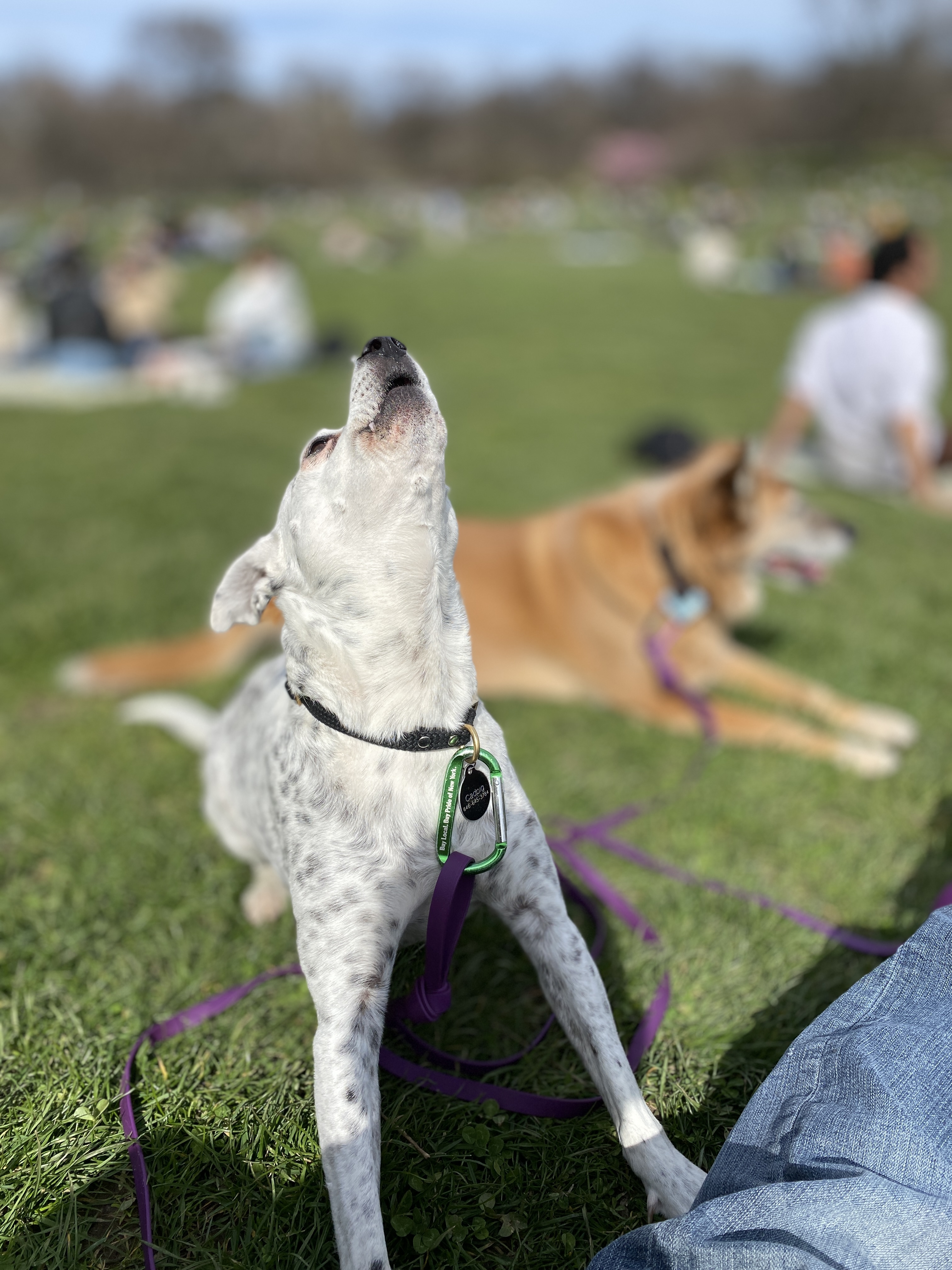
Prospect Park interior terrain
90–120+ minute missions
Small, stable pack
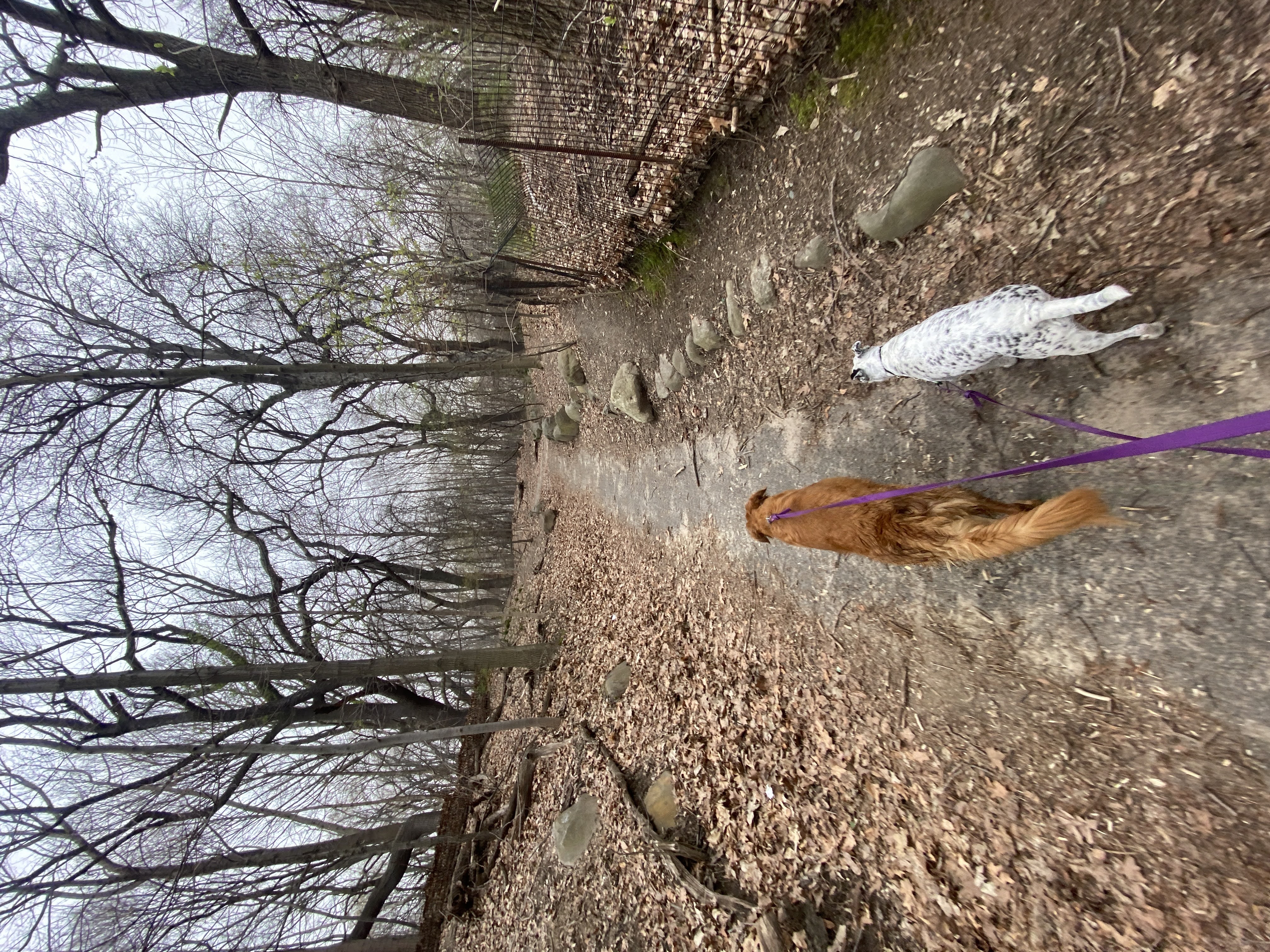
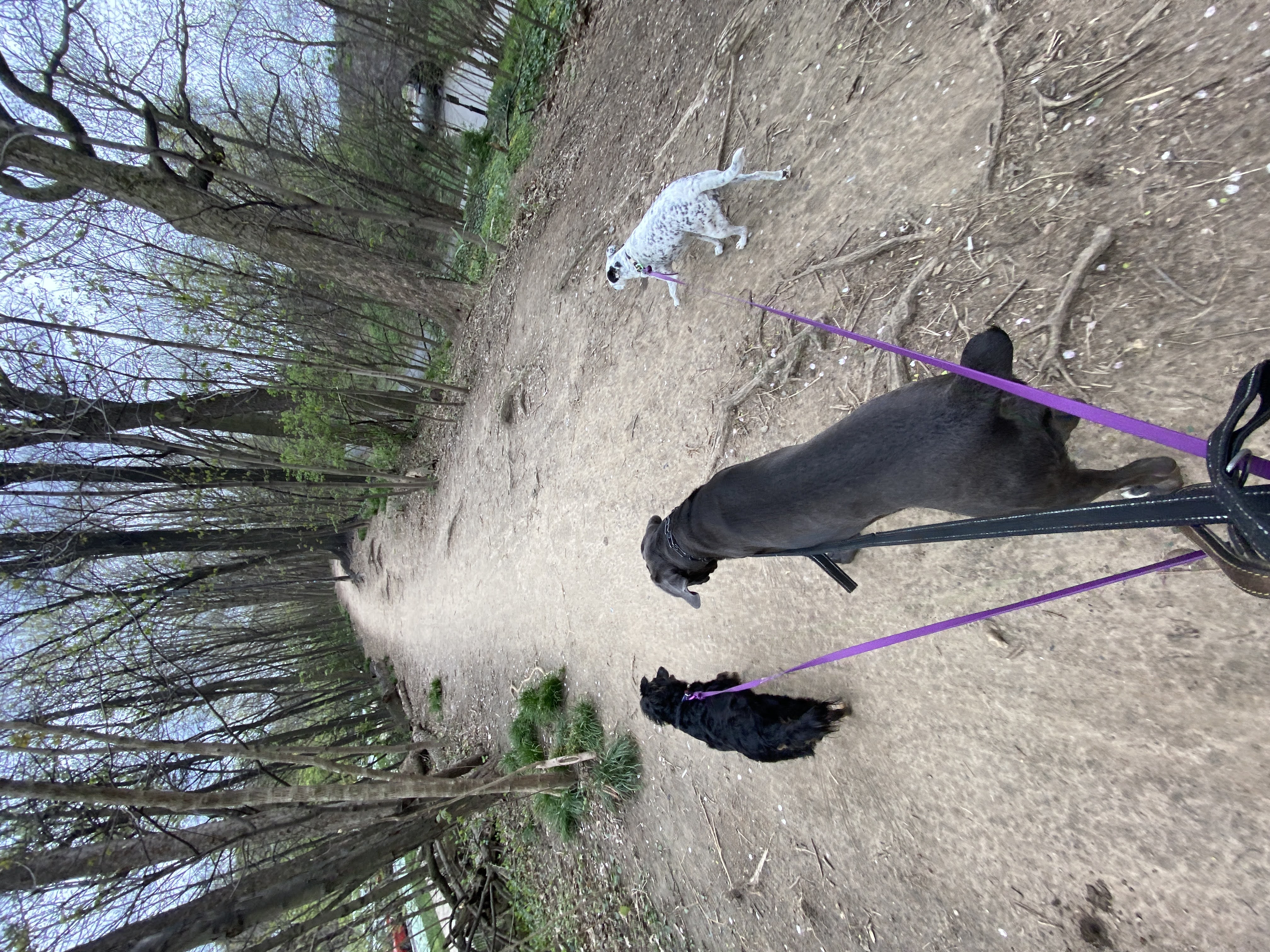
Prospect Park's trails, slopes, roots, weather, and changing ground.
Long-form weekday dog excursions that organize energy instead of just draining it.
The same dogs, the same handler, and a rhythm that becomes familiar over time.
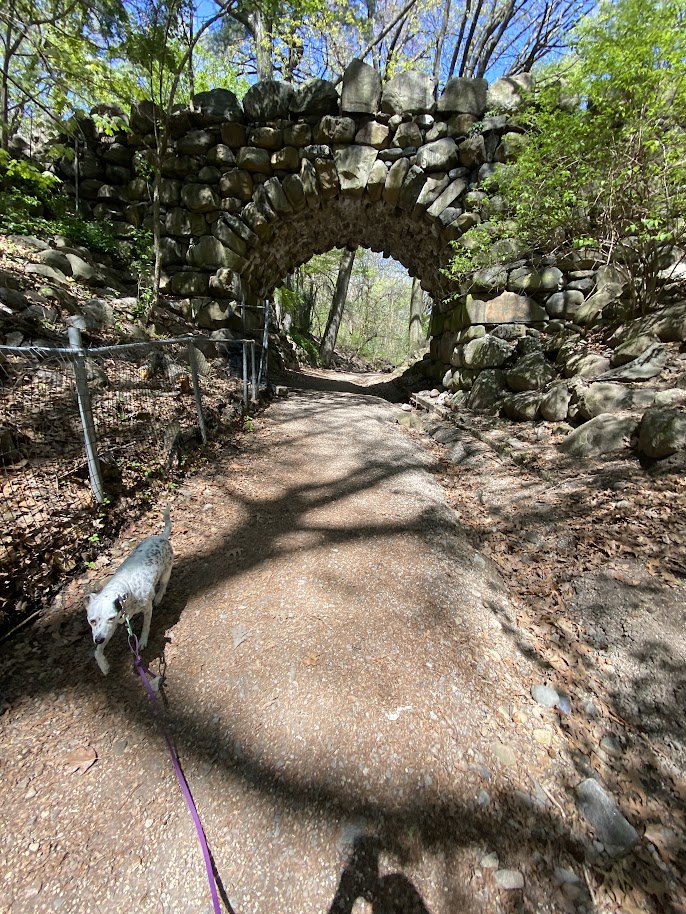
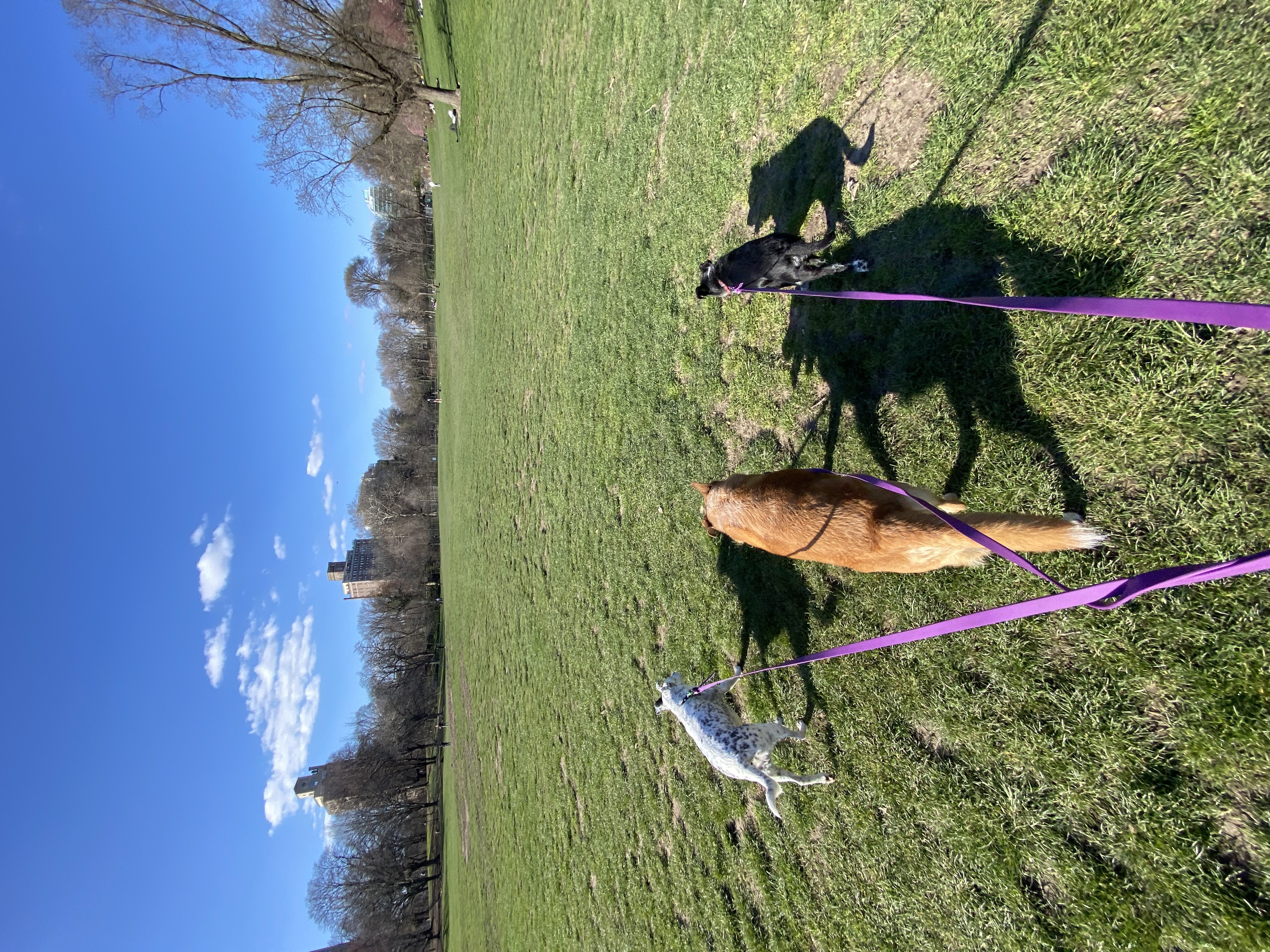
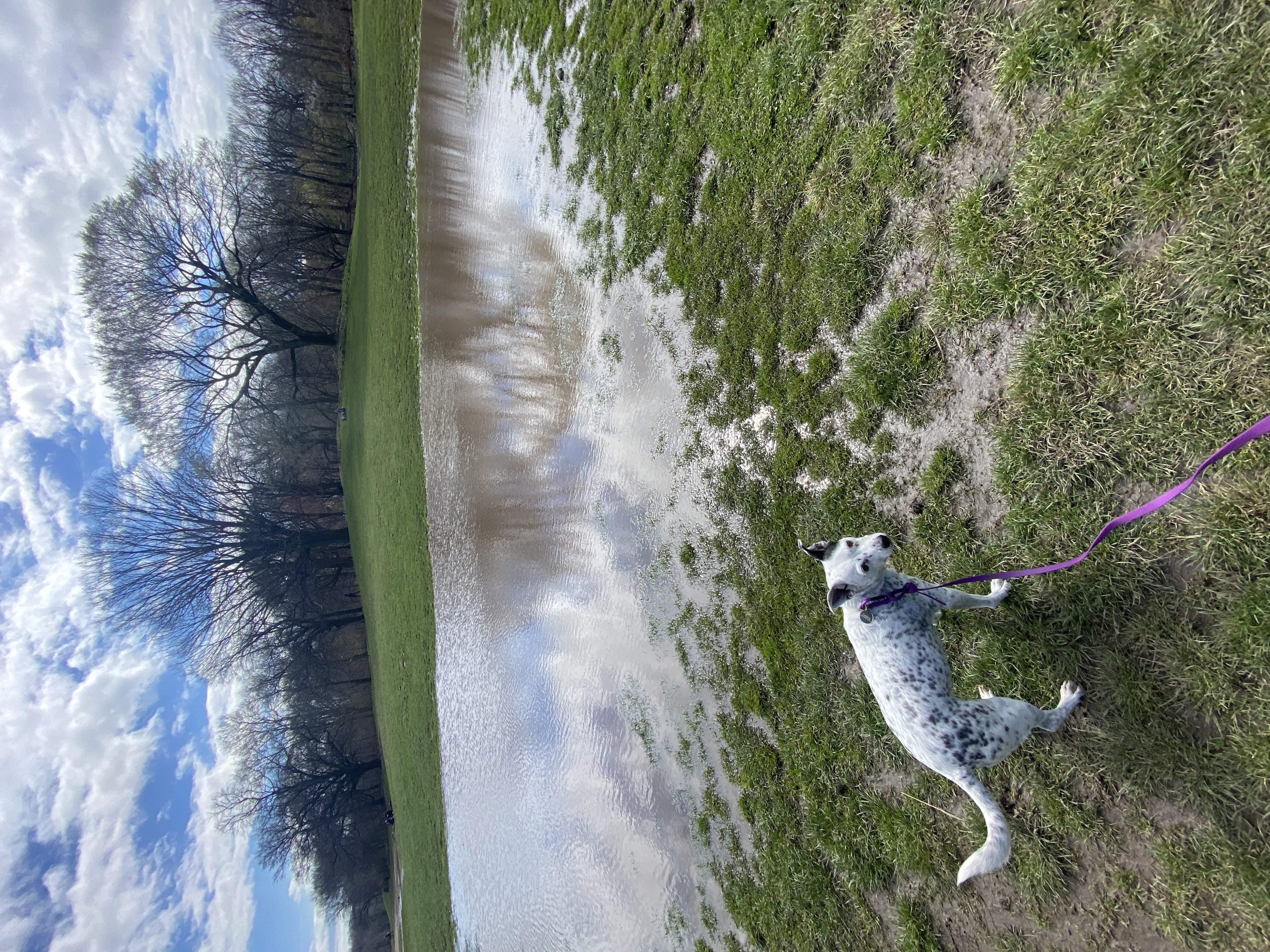
I lead focused, structured outings through Prospect Park
A Mission gives your dog a clear role, a group to move with, natural terrain to navigate, steady pacing, and repeated challenges that build confidence.
The result is simple: your dog comes home regulated, not exhausted. Centered, not overstimulated. Ready to rest, not ready to escalate.
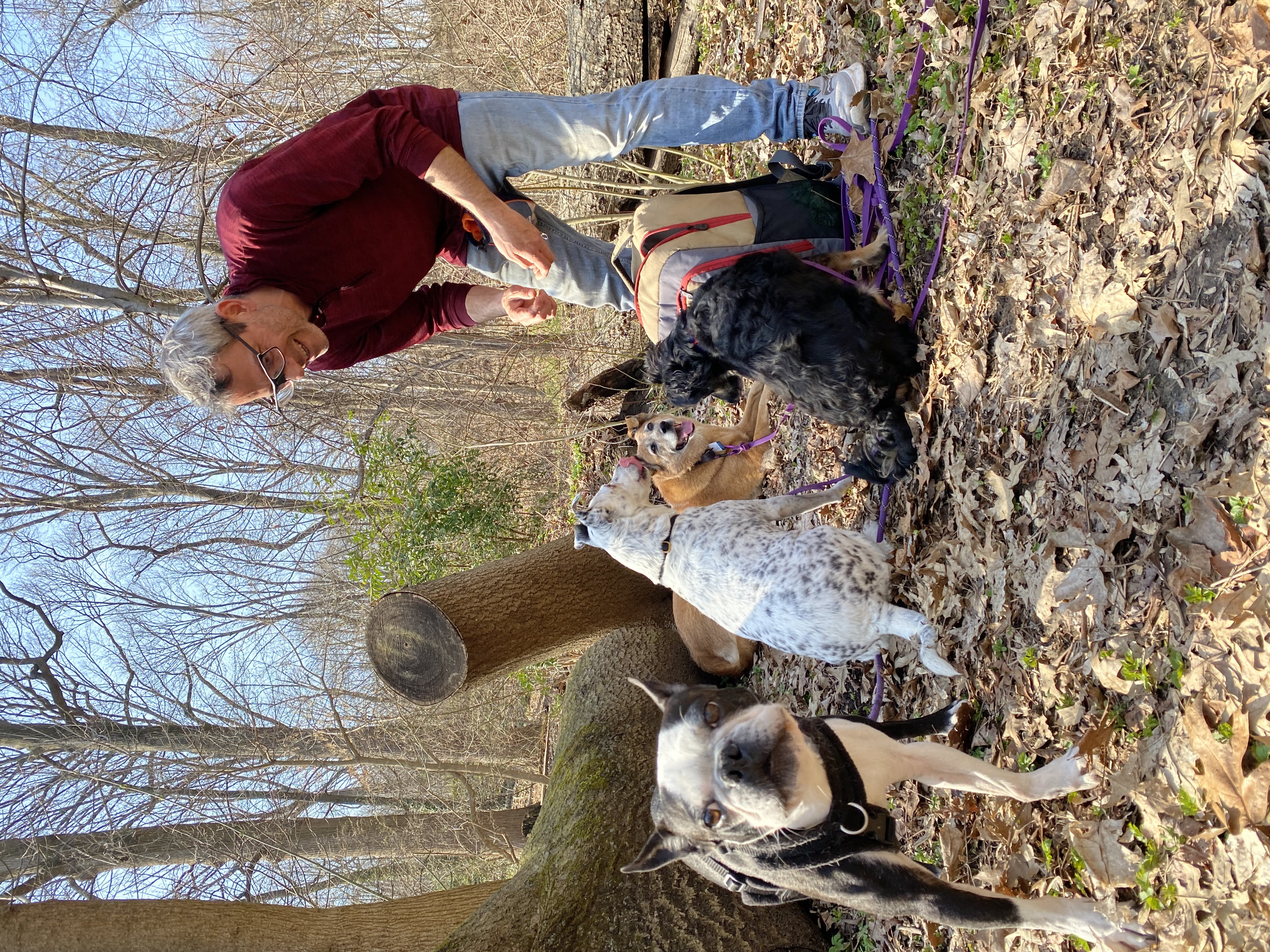
Pablo leads every mission himself
I’m Pablo Povarchik.
This practice was shaped by years of walking the same interior trails, studying what steadies dogs, and building a rhythm that works reliably across personalities and breeds.
I lead every Mission myself. Small groups, consistent routes, and a relationship built over time — not rotation.
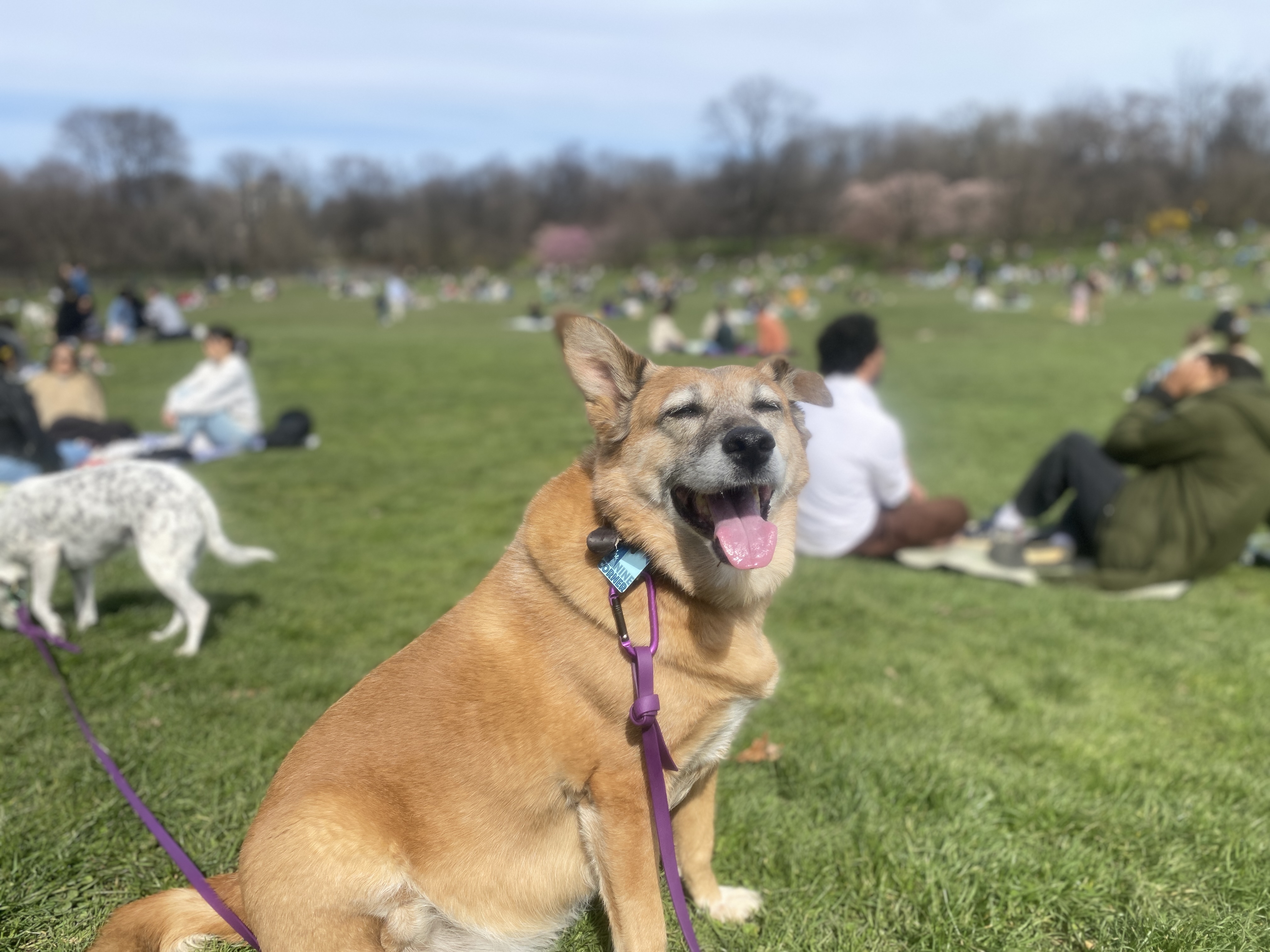
More peace afterward
When dogs spend part of their week doing work that engages them fully, the shift is noticeable: calmer presence, easier settling, fewer spikes of tension, smoother behavior after stimulation, and a more predictable rhythm.
Your dog gets the kind of day that fits who they are. You get a home that feels more peaceful.
I keep the practice small and add new dogs only when it supports the balance of the pack
If you want clarity on whether this is right for your dog, you will get a direct answer.
Limited availability. New dogs are added selectively and only when the group stays balanced.